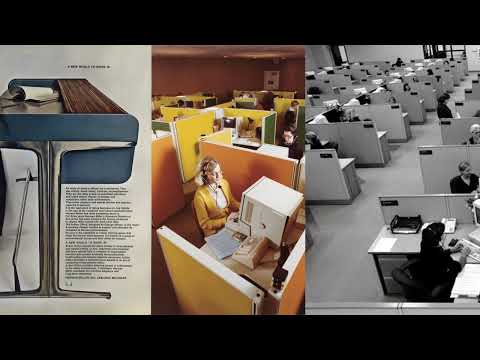
The office is a machine to work in
We’re frequently told that the space of the commercial office exists to best enable employees to type emails, answer phone calls, write lines of code, and attend idea-generating meetings.
We’re told that offices have been designed and re-designed to accommodate different ways of working during different time periods.
We’re told that we’re living at the height of office design; never before have offices been so comfortable, so filled with perks and amenities, so functional, and so flexible.
But is any of what we’ve been told about office design really true?
This talk suggests that it’s not. Unpacking the conventional narrative of the office, this talk addresses several key questions:
o What problems within offices can designers successfully address through their designs?
o Who is the client in an office design contract?
o What does this mean in terms design possibilities? Design probabilities?
o Who is the user of office spaces?
o What obligations (moral, ethical, political, and contractual) do designers have toward office users?